How to Protect Your Most Irreplaceable Possessions From Natural Disasters?
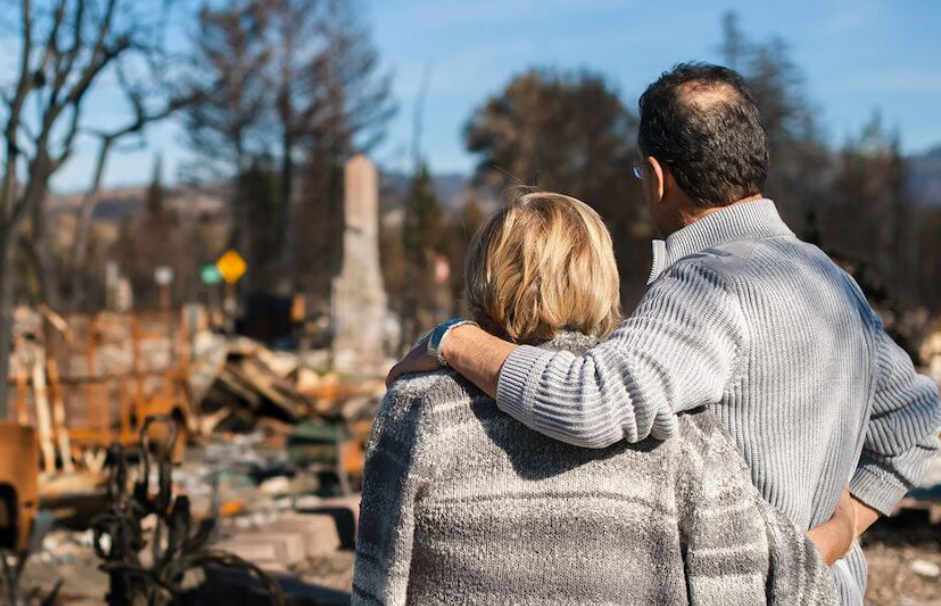
Natural disasters can happen at any time, and they often leave families with little time to react. While insurance can help replace furniture, electronics, and appliances, it cannot replace priceless family memories.
That is why preparing ahead of time is so important. One of the smartest first steps is to digitize family photos and home videos so they remain safe even if the originals are damaged by fire, flooding, hurricanes, tornadoes, or earthquakes.
Once your memories are backed up, you can focus on protecting other sentimental belongings that tell your family’s story. A little preparation today can save years of heartbreak later.
1. Start by Identifying What Matters Most
Not everything in your home holds the same value. Some belongings are impossible to replace because they represent your family’s history. Create a list of the items you would want to save first, including:
- Printed photographs, family albums, home movies, wedding videos, baby books
- Birth certificates, passports, Social Security cards, wills, and insurance policies
- Handwritten letters, journals, recipe books, and military records
- Family heirlooms, jewelry, medals, quilts, and handmade keepsakes
- Children’s artwork, school awards, scrapbooks, and graduation memorabilia
Knowing which items matter most makes it easier to prioritize during an emergency.
See also: Here Are 7 Free Games You Should Try at Least Once
2. Create Digital Copies of Important Memories
Old photographs and videos are especially vulnerable to water, smoke, mold, and heat. Once they are damaged, restoration can be difficult or impossible. Creating digital copies offers several advantages:
- You can store copies in multiple secure locations.
- Family members can easily share and enjoy them.
- Originals require less handling, which helps preserve them.
- Digital files can be restored if one backup is lost.
- You protect decades of memories from unexpected disasters.
The sooner you create digital copies, the lower the risk of losing your family’s history forever.
3. Store Physical Items in Safer Locations
Where you keep your belongings makes a big difference during a disaster. Whenever possible:
- Store photo albums on upper floors instead of basements.
- Keep important documents inside waterproof and fire-resistant safes.
- Use archival storage boxes instead of cardboard containers.
- Avoid storing keepsakes in garages or damp crawl spaces.
- Keep sentimental items away from windows that could break during storms.
4. Back Up Your Digital Files
Saving everything on one computer is not enough. Computers can also be damaged or destroyed during disasters. A strong backup plan should include:
- A copy stored on your computer
- A second copy on an external hard drive
- A third copy in secure cloud storage
- Regular updates whenever new photos or videos are added
- Periodic checks to make sure backup files still open correctly
Having multiple copies gives you peace of mind if one storage method fails.
5. Protect Fragile Photographs Before They Deteriorate
Older photographs naturally fade with age, and disasters only speed up the damage.
If you own delicate albums, faded prints, negatives, or slides, consider using a professional photo scanning service. High-resolution scans preserve details that may disappear over time while reducing the need to handle fragile originals.
Once scanned, you can create digital albums, photo books, and backup copies for family members.
6. Prepare an Emergency Memory Kit
If evacuation becomes necessary, you may have only minutes to gather important belongings. Prepare a portable emergency kit that includes:
- Passports, birth certificates, insurance documents, legal papers
- USB drives or external hard drives containing family photos
- Copies of important contact information
- Small heirlooms that cannot easily be replaced
- An inventory of valuable belongings for insurance purposes
Store the kit somewhere every family member knows about.
7. Create a Home Inventory
A home inventory helps both before and after a disaster. Document your belongings by:
- Photographing every room in your home
- Recording valuable collectibles and heirlooms
- Saving receipts whenever possible
- Writing down serial numbers for electronics
- Updating the inventory after major purchases
This information makes insurance claims much easier if disaster strikes.
8. Review Your Emergency Plan Every Year
Preparation is not something you do only once. Set aside time each year to:
- Update digital backups
- Scan newly printed photographs
- Replace damaged storage containers
- Review emergency evacuation plans
- Confirm that important files remain accessible
An annual review helps ensure your plan stays current as your family grows.
Final Thoughts
Natural disasters are unpredictable, but losing your family’s memories does not have to be.
You greatly improve your chances of protecting the things that matter most by identifying your most valuable keepsakes, creating digital copies, storing originals properly, backing up your files, and preparing an emergency plan.
Material possessions can often be replaced. Family photographs, home videos, handwritten letters, and treasured keepsakes cannot.
Taking a few simple steps today can help preserve your family’s history for future generations, no matter what tomorrow brings.