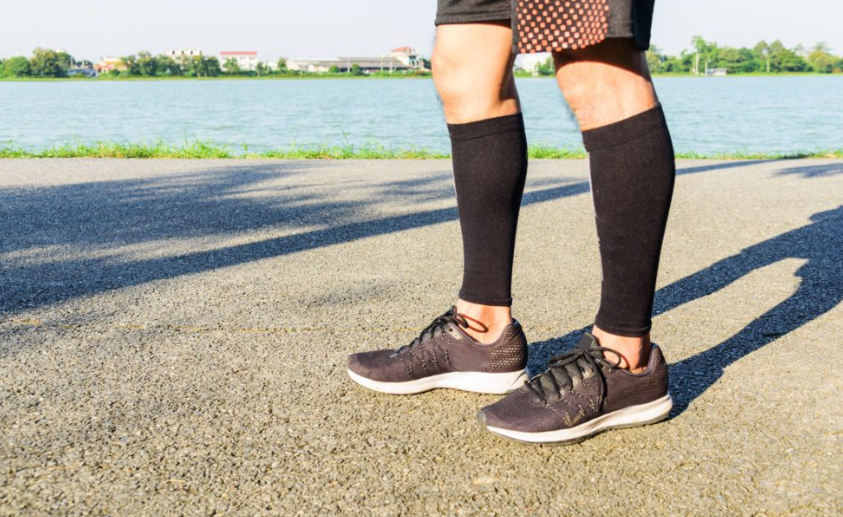
Does Compression Gear Really Improve Performance?
Compression gear is specifically designed to apply gentle, graduated pressure to muscles. This pressure helps to promote better blood circulation, reduce muscle oscillation during movement, and provide support to working muscles. Many garments also feature moisture-wicking fabrics that help regulate temperature and keep the body dry and comfortable throughout exercise.
The Science Behind Compression & Athletic Performance
Research into the effectiveness of compression garments shows mixed results. Some studies suggest minimal impact on performance in terms of speed, strength, or endurance, while others show improvement in perceived effort and reduced fatigue. These outcomes often depend on the individual, the intensity of the activity, and the quality of the gear used.
See also: Best Neckband in Pakistan with Long Battery Life
Real-World Benefits for Athletes
Compression wear is widely used in endurance sports like running and cycling, where athletes seek muscle support and reduced fatigue. In strength training or high-intensity interval training (HIIT), compression garments can help stabilise muscles and joints. This may contribute to fewer injuries and enhanced proprioception, especially during repetitive movements.
Does It Help with Recovery More Than Performance?
One of the most consistently reported advantages of compression wear is its benefit during recovery. Wearing compression gear post-exercise can help reduce delayed onset muscle soreness (DOMS), support circulation, and assist in flushing out metabolic waste. This makes it a valuable tool not only for athletes but for anyone involved in regular physical activity who needs to recover quickly between sessions.
Psychological & Comfort Factors
Some users report feeling more supported and confident when wearing compression gear. This psychological benefit shouldn’t be overlooked, as it can contribute to improved focus and motivation. Additionally, these garments can reduce chafing and assist with thermal regulation, enhancing overall workout comfort.
When Compression Gear May Not Help
Compression gear isn’t essential for every activity. For low-impact or flexibility-based workouts like yoga or pilates, minimal restriction is often preferred. Also, if garments are ill-fitting or made from low-quality materials, their benefits are significantly reduced. It’s important to use compression as a complement to, not a replacement for, good training and recovery practices.
Wrapping Up
While compression gear might not make everyone run faster or lift heavier, it does provide noticeable benefits in muscle support, comfort, and especially recovery. Whether you’re training for a marathon or hitting the gym a few times a week, it’s worth trying compression gear to see if it enhances your performance or post-workout recovery.
FAQs
Should I wear compression gear during or after workouts?
You can wear it both during and after. During workouts, it may help reduce muscle movement and fatigue. Post-exercise, it supports circulation and aids recovery.
Is compression gear only for elite athletes?
No. Compression gear can benefit anyone who exercises regularly, regardless of fitness level.
How long should I wear compression garments?
Most recovery protocols suggest wearing them for 1 to 3 hours after intense activity, but some people find benefit from longer wear depending on comfort.