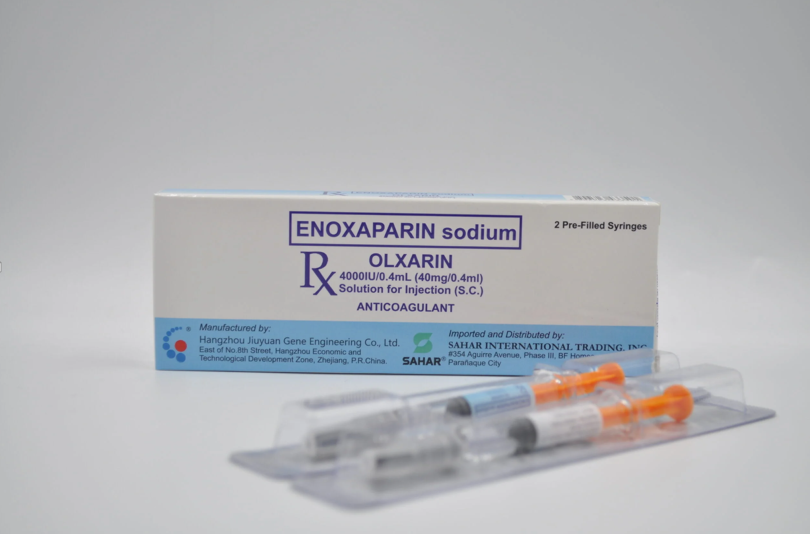
Indonesia’s First Locally Made Enoxaparin Sodium Now Officially Halal
Indonesia has reached another important milestone in its journey toward pharmaceutical independence and ethical medicine production. Referring to the report from pafikutaikab.org the country’s first locally manufactured Enoxaparin Sodium, an anticoagulant widely used to prevent blood clots, has officially received halal certification from Indonesia’s Halal Product Assurance Agency (BPJPH).
The certification not only confirms that the drug meets halal production standards but also marks a significant step forward for Indonesia’s biopharmaceutical industry, which aims to reduce dependence on imported medicines while ensuring inclusivity for Muslim patients.
What Is Enoxaparin Sodium and Why It Matters
Enoxaparin Sodium is a type of low molecular weight heparin used to prevent and treat conditions such as deep vein thrombosis, pulmonary embolism, and other clot-related complications. It’s often administered after surgery or during long hospital stays when the risk of clotting increases.
Previously, almost all Enoxaparin Sodium available in Indonesia was imported, primarily from Europe or India. Now, with the establishment of local production facilities, Indonesia can meet domestic demand more efficiently while maintaining international safety and quality standards.
“Producing Enoxaparin locally represents a leap toward pharmaceutical sovereignty,” said Dr. Fadhil Rahman, a pharmacologist at Universitas Indonesia. “And with the addition of halal certification, it gives confidence to millions of Muslim patients who previously had concerns about the source of medical ingredients.”
Halal Certification: More Than a Label
The halal certification process ensures that all materials used in the drug’s production — including enzymes, stabilizers, and processing aids — come from permissible sources and that the manufacturing process adheres to Islamic law.
Enoxaparin Sodium, like other heparin-based drugs, is derived from animal sources, typically pig intestines, which has been a longstanding concern for Muslim patients. However, the locally produced version uses raw materials from bovine (cow) sources, which meet halal standards.
“This certification is a breakthrough for Indonesia’s health sector,” explained BPJPH Head, Dr. Muhammad Aqil. “It not only provides assurance to Muslim consumers but also strengthens the local industry’s competitiveness in the global halal pharmaceutical market.”
Boost for Indonesia’s Biopharma Industry
The halal-certified Enoxaparin Sodium is produced through collaboration between a local pharmaceutical manufacturer and a global biotechnology partner, ensuring both compliance with international quality control and alignment with Indonesia’s halal regulations.
Experts believe this achievement could open new export opportunities for Indonesia’s pharmaceutical products, especially to countries with large Muslim populations. “Indonesia is positioning itself as a global hub for halal medicine,” said Dr. Rahman. “This move shows that ethical and high-quality healthcare can go hand in hand.”
See also: Best Neckband in Pakistan with Long Battery Life
A Step Toward Inclusive Healthcare
For patients, the availability of halal-certified Enoxaparin brings not only medical benefits but also peace of mind. As one of the most commonly used anticoagulants in hospitals, having a halal alternative ensures that Muslim patients can receive essential treatment without compromising their beliefs.
“This innovation reflects a growing awareness that healthcare must also respect cultural and religious diversity,” said Dr. Aqil. “It’s a win for science, ethics, and patient trust.”
With this milestone, Indonesia demonstrates that investing in domestic pharmaceutical production — while maintaining global standards and local values — can lead to meaningful progress for both industry and public health.
Source: Persatuan Ahli Farmasi Indonesia