On-Page vs Off-Page SEO: What Should Be Your Priority?
Establishing a robust digital presence in today’s competitive landscape requires a multifaceted approach to search engine optimization. It is a complex field demanding distinct strategies working in unison. For businesses seeking sustainable online visibility, engaging professional SEO services in Cumming ensures a foundational understanding and execution of these complex mechanisms. The debate often centers on where to focus efforts first: on-page elements or off-page factors. Both are crucial pillars of a successful digital strategy, but understanding their distinct roles is key to strategic prioritization.
Understanding the Core Differences
To determine priority, it is essential to recognize that on-page and off-page SEO serve different, yet complementary, functions within the search ecosystem.
The Essentials of On-Page SEO
On-page SEO refers to the tactics applied directly within a website’s infrastructure and content to improve its position in search rankings. This involves optimizing individual web pages to rank higher and earn more relevant traffic. It encompasses the quality of content visible to users and the complex technical architecture behind the scenes that search engines crawl.
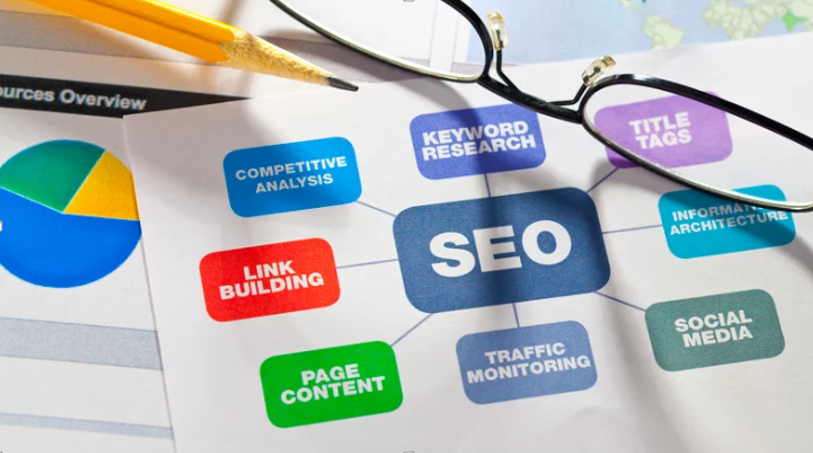
A comprehensive on-page strategy involves deep technical audits, improving site speed, refining site architecture for better navigation, optimizing meta tags, and implementing structured data markup. Truly mastering on-page SEO optimization requires a systematic, expert approach to addressing these technical and content-related elements, creating a friction-free site that search engines can easily understand, index, and serve to users.
The Power of Off-Page SEO
Conversely, off-page SEO focuses on increasing the domain authority and credibility of a website through activities occurring outside the site’s boundaries. This is primarily achieved by acquiring high-quality backlinks from other reputable, relevant websites within the industry.
These links act as “votes of confidence” from the broader internet community, signaling to search engines that the site is a trustworthy and valuable resource. An effective off-page strategy goes beyond simple link acquisition; it involves strategic relationship building, digital PR, and managing brand reputation across the web. It is a continuous process of establishing authority in a competitive landscape, requiring the specialized outreach that professional agencies provide.
See also: How Airoom Built a Reputation for Consistency in High-End Home Renovations
Determining Your Strategic Priority
Deciding on priority is often a question of sequence and foundation rather than choosing one over the other. Most expert strategies begin with a thorough on-page setup. It is generally considered inefficient to drive authority through intensive off-page methods to a poorly structured, slow-loading, or low-relevance website.
A robust technical and content foundation must be established first to maximize the value of incoming traffic and improve conversion rates. Once the site is structurally sound and optimized for user experience, off-page strategies become significantly more impactful. However, these are not strictly sequential steps that end; they are concurrent processes that need ongoing expert management to adapt to evolving search engine algorithms.
Conclusion
Ultimately, the distinction between on-page and off-page SEO is not about choosing one in isolation, but rather understanding their symbiotic relationship. A sustainable long-term strategy requires excellence in both areas. Prioritizing a strong technical foundation paves the way for effective authority building, ensuring sustained visibility and growth through professional execution.