How Do You Choose a Pool Pump for a Suction Pool Cleaner?
Cleaning a swimming pool isn’t only about having a good suction pool cleaner. The pool pump also is a vital component since it supplies the suction force for the cleaner to circulate around the pool and pick up dirt, leaves, and debris. The selection of the appropriate pump can enhance the efficiency of cleaning, facilitate water flow, and help overall system performance.
Knowing the interaction of your pool cleaner and pool pump can help you when you are replacing or upgrading your equipment.
How a Suction Pool Cleaner Works
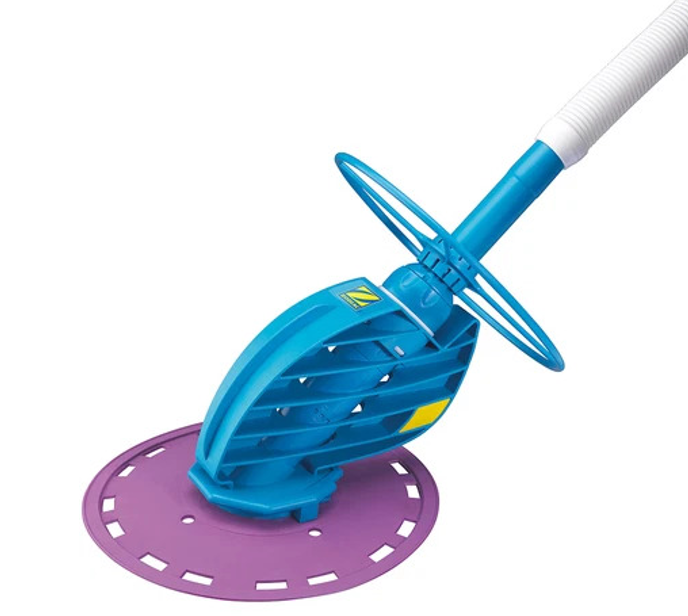
A suction pool cleaner is directly connected to a pool’s skimmer or to a dedicated suction line. It doesn’t require a motor to move around the pool but instead uses the pool vacuum suction to do so.
Since the cleaner is totally pump dependent, the choice of the appropriate pump performance is crucial. Too little suction can prevent the cleaner from moving correctly, and too much suction can impact cleaning patterns or overall circulation.
Consider Your Pool Size
When looking for a pump, one of the first aspects to consider is the size of the pool.
The larger the pool, the more powerful the pumps will need to be to ensure effective cleaning and filtration. In smaller pools, it may be possible to use smaller pumps and pumps still provide sufficient suction for the cleaner.
Ensuring water flows are consistent by matching the pump size to the pool size.
Check the Flow Rate Requirements
There are flow rates that are recommended by the manufacturer of every suction cleaner.
Always check the specifications of the cleaner before buying the pump as to the recommended number of gallons or liters per minute. The selection of a pump that will work in this range ensures that the cleaner can work efficiently without overloading the equipment.
If the flow rate is balanced out properly, the cleaner will glide more easily over the surface of the pool and will pick up the debris more easily.
Select the proper type of pump for the application.
There are a number of pump options to choose from among the modern pool owners.
Single-Speed Pumps
Single-speed pumps are constantly running at a single speed. Their use is easy, and they can fit a number of residential pools.
Dual-Speed Pumps
Dual-speed pumps have the ability to operate at high or low speed. High speeds can be employed when vacuuming, and lower speeds can be applied for regular filtration.
Variable-Speed Pumps
Variable-speed pumps offer adjustable speed for various uses of the pool. Many pool owners appreciate the flexibility of adjusting flow rates based on cleaning needs while maintaining efficient water circulation.
Be sure that the pump you choose fits the requirements of the pool cleaner.
Think About Energy Efficiency
Pool pumps may be running for several hours a day.
Selecting a pump that has an energy efficiency rating may result in electricity conservation as well as continued reliable cleaning. Variable-speed pumps, especially, can change the pump speeds based on the varying cleaning tasks throughout the day.
Using only the amount of suction required for your cleaner can help optimize overall system performance.
Evaluate Your Existing Plumbing System
Your pool plumbing also plays a role in the performance of your pool pump.
Water flow can be affected by the pipe diameter, plumbing design, and the number of fittings. Long pipe runs or multiple bends can reduce the amount of suction available to the cleaner.
Prior to replacing a pump, make sure that the plumbing system is appropriate for the model. Always ask a pool professional to ensure compatibility if needed.
Pay attention to the components of the pool pump.
The best pump equals the sum of its parts.
Routine maintenance of pool pump parts ensures the correct suction and prolongs equipment life. Important components include:
Pump basket
Pump lid and O-ring
Impeller
Shaft seal
Motor
Housing
Diffuser
Maintaining a clean and well-maintained condition of these components helps to maintain the consistent flow of water in the pool system.
When the pool pump parts are worn or damaged, it is important to replace them as soon as possible for proper operation, and it may be possible to replace parts without replacing the entire pump.
Consider Filtration Compatibility
Your pool pump operates in conjunction with your pool’s filtration system.
When a pump and filter are matched, water circulates efficiently and removes the small particles in a pool.
If the pump is too big and the filter too small, filtration may be less effective, and if the pump is too small and the filter too large, the pump may not have sufficient circulation for the filter and cleaner.
Matching both parts will help to keep the system in balance.
Look at Maintenance Requirements
Regular maintenance also plays a vital role in the performance of the pump in the long term.
Some basic maintenance include
Remove any debris from the pump basket and rinse it off.
Scrub the skimmer basket and drain the water from the skimmer.
Checking seals for leaks
Inspecting impellers
Monitoring pressure readings
Removing debris around the pump
The regular maintenance will ensure consistent suction of your suction pool cleaner and prevent needless strain on the pump.
Noise Levels Matter
When equipment pads are near outdoor living spaces, noise from the pumps may be a factor.
There are some newer pumps that can circulate water at the level needed for the system but are quieter than previous designs.
A quieter pump may improve overall comfort without sacrificing cleaning performance.
See also: Duluth MN Website Design: What Makes a Strong Business Site
Final thoughts
When it comes to pool pumps, there is more to it than just picking the most powerful option. The various factors that affect overall performance include pool size, cleaner needs, plumbing layout, filtration options, energy efficiency, and maintenance.
When backed up by the right pump, a well-fitted suction pool cleaner can be effective in keeping your pool clean and maintaining good circulation. Frequent checks on the various parts of the pool pump also help to make sure that the unit continues to function properly over time, resulting in a cleaner and more effective swimming pool.