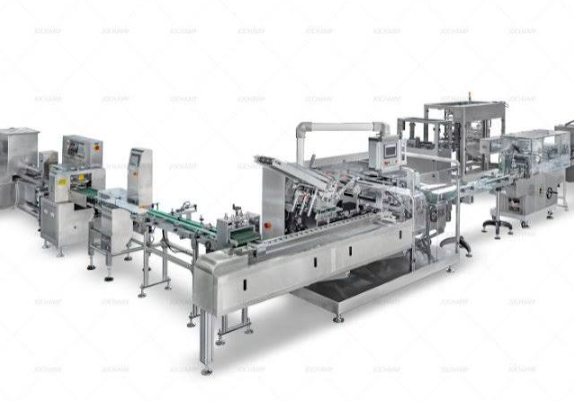
Improving Efficiency in Shisha Tobacco Packaging and Production
Introduction
Production efficiency is influenced by more than the speed of individual machines. The way materials move through a facility, how operators follow procedures, and how effectively equipment is maintained can all affect the number of finished packages produced during a shift.
For manufacturers handling shisha tobacco products, packaging efficiency must be balanced with product quality, workplace safety, and compliance with applicable regulations. A fast process is not beneficial if it creates excessive waste, inconsistent packages, or recurring equipment problems.
A structured improvement plan helps businesses identify practical changes and measure whether those changes deliver lasting results.
Map the Current Process
Begin by documenting each step between product preparation and finished packaging. Depending on the operation, this may include material supply, measurement, filling, sealing, coding, inspection, and movement into cartons.
Record how products move between stages and note where delays occur. Material shortages, frequent adjustments, and waiting for downstream equipment can reduce output even when individual machines are operating correctly.
A process map provides a clearer picture of how work flows through the facility. It can also help managers distinguish between a machine problem and a broader issue involving scheduling or line coordination.
Establish Useful Performance Measures
Improvements are easier to evaluate when the business has reliable baseline data. Useful measures may include packages produced per hour, rejected packages, material waste, changeover time, and unplanned downtime.
Data should be collected consistently and interpreted in context. A slower production period may result from a scheduled product change rather than equipment failure. Recording the reasons for interruptions makes performance reports more meaningful.
The purpose of measurement is not simply to produce more numbers. It is to identify recurring issues and determine which changes are most likely to improve the process.
Reduce Unnecessary Changeover Time
When a facility handles several package sizes or product formats, changeovers can take a significant amount of production time. A structured procedure helps operators complete these transitions safely and consistently.
A changeover checklist might include confirming the correct packaging material, selecting approved settings, checking codes and labels, and inspecting the first completed packages.
Tools and components should be stored in clearly identified locations. Operators should know which adjustments are permitted and which require technical assistance.
Manufacturers should never skip necessary safety or quality checks in an attempt to shorten changeover time. The goal is to remove avoidable delays while preserving the required standards.
Select Equipment That Fits the Workflow
A packaging line should be configured around the product, packaging format, and required output. Installing a high-speed machine will not necessarily improve performance if other stages cannot keep up.
Businesses considering a Shisha Tobacco Packaging Line should review how the equipment handles feeding, filling, sealing, coding, and finished-product transfer. Ask the supplier to explain how each stage connects to the others and how the line responds when an error occurs.
It is also important to consider future production needs. If additional package sizes or higher volumes are expected, determine whether the proposed equipment can accommodate those changes and what modifications would be required.
Improve Quality at Every Stage
Quality problems can cause rework, waste, and delays. Manufacturers should establish clear requirements for fill consistency, package appearance, seal integrity, and labeling.
Checks at appropriate stages can help identify defects before large quantities are affected. Inspection methods should be documented, and operators should know how to isolate and report packages that do not meet the required standard.
When a defect occurs repeatedly, investigate its cause rather than relying on repeated manual corrections. The source may involve material quality, machine settings, equipment wear, or operator training.
Maintain Equipment Proactively
Preventive maintenance can reduce the risk of unexpected failures. Manufacturers should follow the equipment supplier’s guidance for inspections, cleaning, servicing, and replacement of worn components.
Maintenance should be scheduled in a way that minimizes disruption while ensuring essential tasks are not postponed. Records can help identify recurring faults and determine whether a component or procedure needs further attention.
Staff should be trained to recognize warning signs and report unusual behavior. They should also follow safe shutdown and isolation procedures before maintenance work begins.
Support Operators Through Training
Operators influence packaging performance through setup, monitoring, and response to faults. Training should cover normal operation, approved settings, cleaning, quality checks, and emergency procedures.
Clear instructions help reduce variation between shifts. Refresher training may be useful after equipment changes, process updates, or recurring quality issues.
Employees should also have a practical way to report problems and suggest improvements. Their experience can reveal small operational issues that may not be obvious from production reports alone.
Review Compliance and Operating Costs
Efficiency improvements must remain consistent with the rules governing the product and its destination market. Manufacturers should verify relevant packaging, labeling, traceability, and workplace safety obligations before making process changes.
Costs should be evaluated across the complete operation. Material waste, energy use, maintenance, rejected packages, and downtime may all influence profitability. A change that reduces one expense but increases another should be assessed using the overall result.
Conclusion
Improving packaging efficiency requires a coordinated approach involving process mapping, realistic performance measures, suitable equipment, quality control, maintenance, and staff training.
Manufacturers that investigate recurring problems and evaluate results systematically can make practical improvements without compromising safety or product standards. Over time, consistent procedures and informed equipment decisions can support a more predictable packaging operation.