Understanding In-Mold Labeling in Modern Plastic Packaging
Introduction
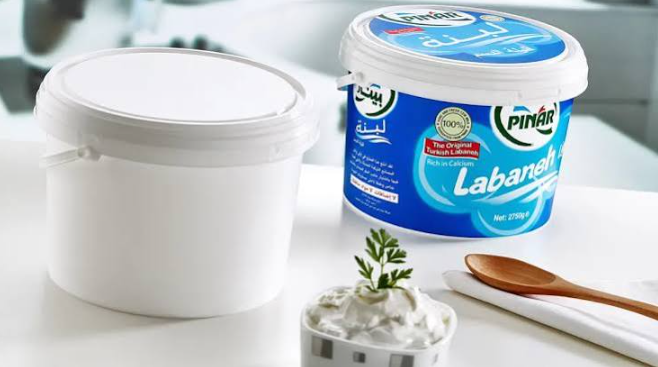
Plastic packaging is used across many industries because it can be produced in different shapes and sizes to suit a wide range of products. Alongside container design, labeling plays a major role in product identification and presentation. Manufacturers need labels that remain correctly positioned, look consistent, and fit the production method used for each package.
In-mold labeling is a technique that integrates a label into a molded plastic product during manufacturing. It can provide a clean appearance and reduce the need for a separate labeling step in suitable applications. However, its success depends on coordination between the label, mold, plastic material, and production equipment.
How the Process Works
In a typical in-mold labeling process, a label is positioned inside a mold before the plastic product is formed. As the molding cycle takes place, the label becomes integrated with the surface of the finished product.
The exact process varies with the molding technology, product design, and equipment configuration. Some applications use robotic systems to place labels accurately, while other arrangements use different handling mechanisms.
Accurate placement is essential. If the label shifts, folds, or fails to bond as intended, the finished product may not meet the required appearance standards. Manufacturers therefore need to consider label positioning and process control from the beginning of product development.
Potential Advantages for Packaging Manufacturers
One possible benefit of in-mold labeling is the integration of labeling with molding. For suitable products, this can reduce the need for a separate label-application operation.
The method may also support consistent product presentation when the label and process are properly matched. Because the label becomes integrated with the molded surface, the result can differ from a conventional adhesive label in appearance and handling.
However, the benefits depend on the application. In-mold labeling is not automatically the most economical option for every product. Manufacturers should compare it with alternatives such as pressure-sensitive labels, sleeves, or post-molding labeling, considering production volume, design complexity, and material requirements.
Choose Equipment for the Intended Application
The appropriate equipment depends on the container design, label dimensions, molding machine, required cycle time, and degree of automation. A production line making one container format in large quantities may have different requirements from a facility that frequently changes between several products.
When evaluating an in mould labelling machine, buyers should ask about supported mold arrangements, label feeding, positioning accuracy, and changeover procedures.
It is useful to provide the supplier with technical drawings, product samples, label specifications, and expected output volumes. This information allows the supplier to assess the application more accurately than a general product description alone.
Match Label Materials With the Plastic Product
Label compatibility is a critical part of process planning. The label material, printing method, and surface properties must be suitable for the molding conditions and the intended product.
Manufacturers should discuss material selection with their label supplier and equipment provider. Trials may be necessary to evaluate bonding, appearance, durability, and performance under expected storage or handling conditions.
The process may require adjustments to label design, resin selection, or molding parameters. Making these decisions before full production can reduce waste and prevent costly changes later.
Production Speed and Quality Control
In-mold labeling often operates as part of a wider molding cycle. The effective output depends on the speed of the molding machine, label handling, cooling, and any downstream processes.
Buyers should distinguish between theoretical machine speed and practical production output. A system may achieve a high rate under ideal conditions but require additional time for label changes, inspection, cleaning, or fault recovery.
Quality checks should cover label position, wrinkles, bubbles, visible defects, and bonding where relevant. Clear acceptance criteria help operators identify problems consistently. Suppliers should explain which adjustments are safe and appropriate during routine operation.
Safety and Maintenance
Automated equipment can include moving mechanisms, robotic components, electrical systems, and access points around the mold. Safety guarding, emergency stops, and clear operating procedures are therefore essential.
Maintenance planning should cover inspection, cleaning, wear components, positioning mechanisms, and spare-parts availability. Operators need training on routine checks and the correct procedures for stopping equipment before maintenance.
Integration with existing machinery should also be reviewed. The installation may require changes to controls, conveyors, electrical connections, or factory layout.
Make a Practical Investment Decision
Manufacturers should compare the full cost of the equipment rather than considering the initial purchase price alone. Tooling, installation, integration, training, consumables, servicing, and production downtime all influence total ownership cost.
Where possible, conduct a product trial using the actual label and container design. This provides practical information about positioning, quality, cycle time, and material compatibility.
Conclusion
In-mold labeling can be a useful option for plastic packaging when the product design and production process support it. Successful implementation requires suitable materials, accurate label placement, reliable equipment, and effective quality control.
By defining requirements and testing the intended application before purchasing, manufacturers can decide whether the process offers a practical improvement over other labeling methods.