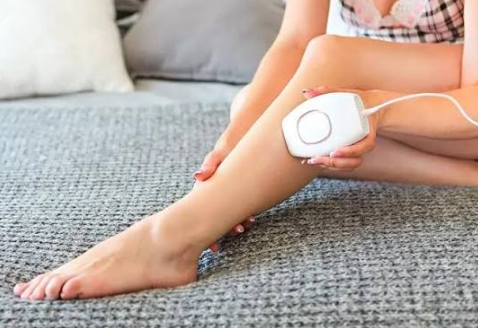
What to Consider Before Buying an IPL Hair Removal Machine
Introduction
Personal grooming technology has given consumers and beauty professionals more ways to manage unwanted hair. Among the available options, intense pulsed light, commonly known as IPL, is used in certain hair-reduction devices designed for home or professional environments. Although these products may look similar, their features, operating requirements, and suitability can differ significantly.
Before purchasing an IPL system, it is worth understanding how the technology works, which specifications matter, and what safety precautions should be followed. Careful research helps buyers select equipment based on practical requirements rather than promotional claims.
What Is IPL Technology?
IPL equipment produces pulses of broad-spectrum light. In hair-reduction applications, the light is absorbed by pigment in the hair and converted into heat. This process is intended to affect hair follicles and reduce subsequent hair growth over a series of treatments.
IPL is different from laser technology. Laser systems generally use a more specific wavelength or range, while IPL systems emit a broader range of light that is filtered for the intended application.
Results depend on several factors, including the device, hair color, skin tone, treatment area, and consistency of use. IPL is not equally suitable for everyone. Light-colored hair may respond poorly, and some devices may be unsuitable for darker skin tones or recently tanned skin. Buyers should review the manufacturer’s suitability chart before proceeding.
Decide Between Home and Professional Equipment
One of the most important purchasing decisions is whether the equipment is intended for personal or professional use.
Home-use devices often emphasize compact design, straightforward controls, and convenience. They may have built-in sensors or preset energy levels to guide operation. These features can make the device easier to handle, but users must still follow the instructions carefully.
Professional systems may offer different operating settings, larger treatment windows, or designs intended for frequent use. Businesses should evaluate operator training, maintenance requirements, and the manufacturer’s support arrangements.
The correct choice depends on the expected workload, user experience, available space, and the product’s intended operating environment.
Compare Features and Specifications
A product listing should provide enough detail to help buyers understand the equipment. Important factors include:
- Treatment window: A larger window may cover broader areas more quickly, while a smaller one can offer greater control in limited spaces.
- Energy settings: Adjustable settings allow users to follow the manufacturer’s guidance for different treatment areas and suitability requirements.
- Flash capacity: Some products state an estimated number of flashes. Buyers should clarify what happens when the rated capacity is reached.
- Cooling features: Cooling may improve comfort, but it does not eliminate the need for correct operation.
- Safety sensors: Skin-contact or skin-tone sensors may be included, depending on the model.
- Warranty and service: Availability of technical support and replacement components can influence long-term value.
Do not assume that a device with the highest energy rating is automatically the best option. Suitability, control, and compliance with safety instructions are equally important.
Review Safety Requirements
IPL equipment requires careful use. Read the manual before the first session, perform any recommended preliminary test, and follow the prescribed treatment schedule. Do not increase settings beyond the manufacturer’s recommendations in an attempt to achieve faster results.
Avoid use on the eyes, eyebrows, tattoos, irritated skin, or other areas prohibited by the instructions. Do not treat recently tanned skin unless the device’s guidance explicitly permits it. Certain medicines and medical conditions may increase sensitivity to light, so professional medical advice may be appropriate before treatment.
If the device causes unexpected pain, blistering, burns, or other significant reactions, stop using it and seek appropriate medical advice.
Choose a Reliable Supplier
A supplier should provide clear specifications, usage instructions, safety information, warranty details, and accurate descriptions of the product’s intended use. For salon owners, additional questions may include staff training, maintenance schedules, and the availability of technical assistance.
Buyers researching an ipl hair removal machine can use product-category information as a starting point for comparing available equipment. Before ordering, verify the precise model, included accessories, shipping terms, and return conditions.
For commercial purchases, written quotations can help compare the full cost rather than just the advertised unit price.
Conclusion
An IPL device should be selected according to suitability, safety, intended use, and product quality. Understanding the differences between home and professional equipment makes the selection process more practical.
By comparing specifications, checking the manufacturer’s guidance, and choosing a supplier that provides dependable support, buyers can make a more informed decision about incorporating IPL technology into a personal grooming routine or professional service.